In this article
This question usually comes up at the worst possible moment, right after somebody has told a homeowner that the sewer line under their front yard has failed. The short answer, in most Connecticut towns and most of Westchester County, is that you do. The pipe running from your house out to the municipal main in the street is called the lateral, and it's part of your property, not the town's. The town owns and maintains the main line under the street. Everything between that main and your foundation wall is yours to repair, replace and pay for. That surprises a lot of people, and it's a bigger deal than it sounds, because the lateral is the longest and most expensive piece of sanitary pipe most homeowners will ever deal with. Rules do vary by municipality, so the specific answer for your address is worth confirming directly with your local public works department.
Where the Line Between Yours and Theirs Usually Falls
The dividing point in most towns is the connection to the municipal main, which typically sits under the street. Your lateral runs from the foundation wall, through the yard, under the sidewalk and the curb, and ties in there. That means the portion under public right of way is often still your responsibility, which catches people off guard. Some municipalities draw the line at the property line or the curb instead. The distinction matters enormously, because work in the street usually involves permits, traffic control and pavement restoration, all of which cost more than the same work in a lawn. This is the single most important thing to confirm with your town before agreeing to any repair scope.
Why This Matters Before You Buy a House
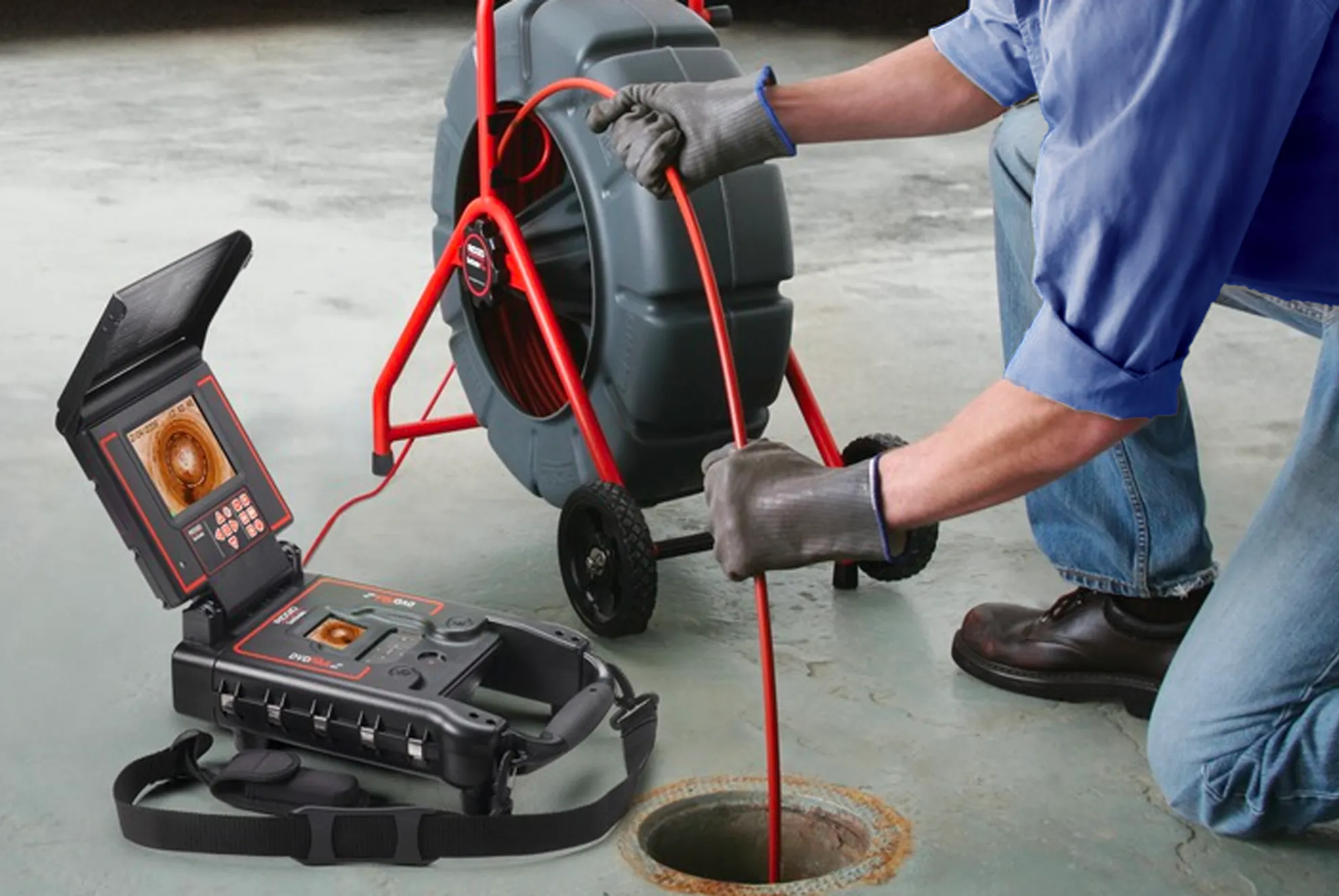
A standard home inspection does not include the sewer lateral. The inspector looks at fixtures, checks that water drains and moves on. Nothing in that report tells a buyer whether the buried pipe under the front yard is sound or thirty days from collapsing. In older Connecticut and Westchester neighborhoods, where clay laterals from the 1920s through the 1960s are the norm, that's a significant gap. A failed lateral discovered after closing is entirely the new owner's problem and the new owner's cost. A sewer camera inspection before closing is inexpensive by comparison and turns an unknown into a negotiating item.
What a Lateral Repair Actually Involves
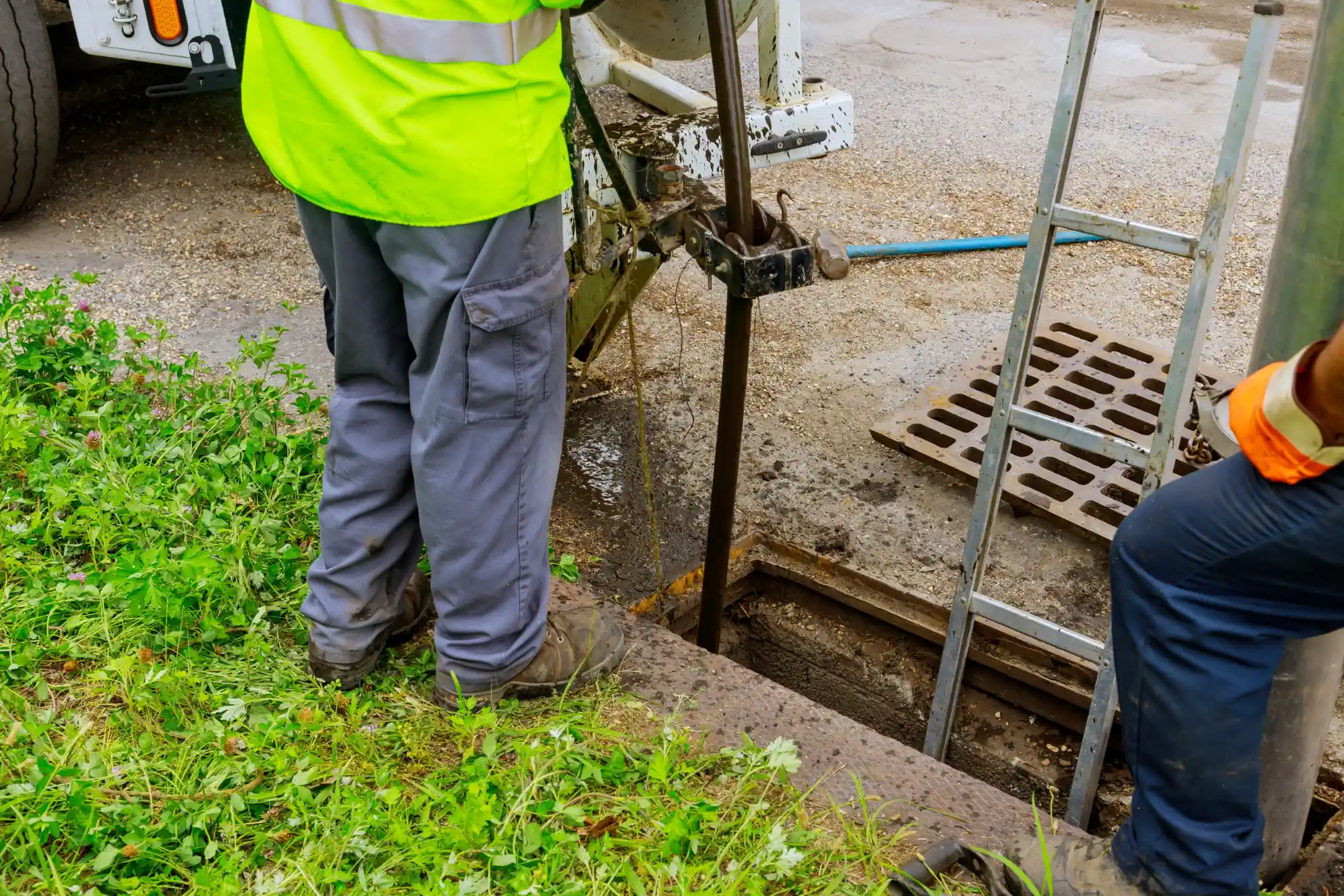
Because the lateral is buried and often long, repairing it means excavation. What sits on top of the pipe drives most of the cost. A run under an open lawn is straightforward. A run under a driveway, a stone walkway or mature landscaping means cutting, removing and restoring all of it. That restoration is frequently the larger half of the bill. This is why locating the damaged section before digging matters so much. Marking the exact depth and path means opening one section rather than trenching the whole property looking for the problem, and on an expensive yard that difference is substantial.
Homeowners on Septic Systems
In towns like Easton, Weston, Redding and much of Wilton and New Canaan, there is no municipal sewer at all. Those properties run septic tanks, and the equivalent question has a simpler answer: everything is yours, including the tank and the leach field. The buried line running from the house out to the tank is the direct equivalent of a lateral, and it fails the same ways. What's worth knowing is that a septic inspection covers the tank and the field, and a home inspection covers the fixtures. The pipe connecting them belongs to neither, and often nobody looks at it.