Residential Root Removal
Single family homes, condos and multifamily buildings with mature trees and older clay laterals. Root intrusion at the joints causes most of the recurring main line backups in Connecticut neighborhoods.
provides sewer root, grease and sludge removal in Connecticut for homes and businesses. We clear stubborn buildup from sewer and drain lines. Professional cable machines and cutting equipment restore proper flow through the pipe.
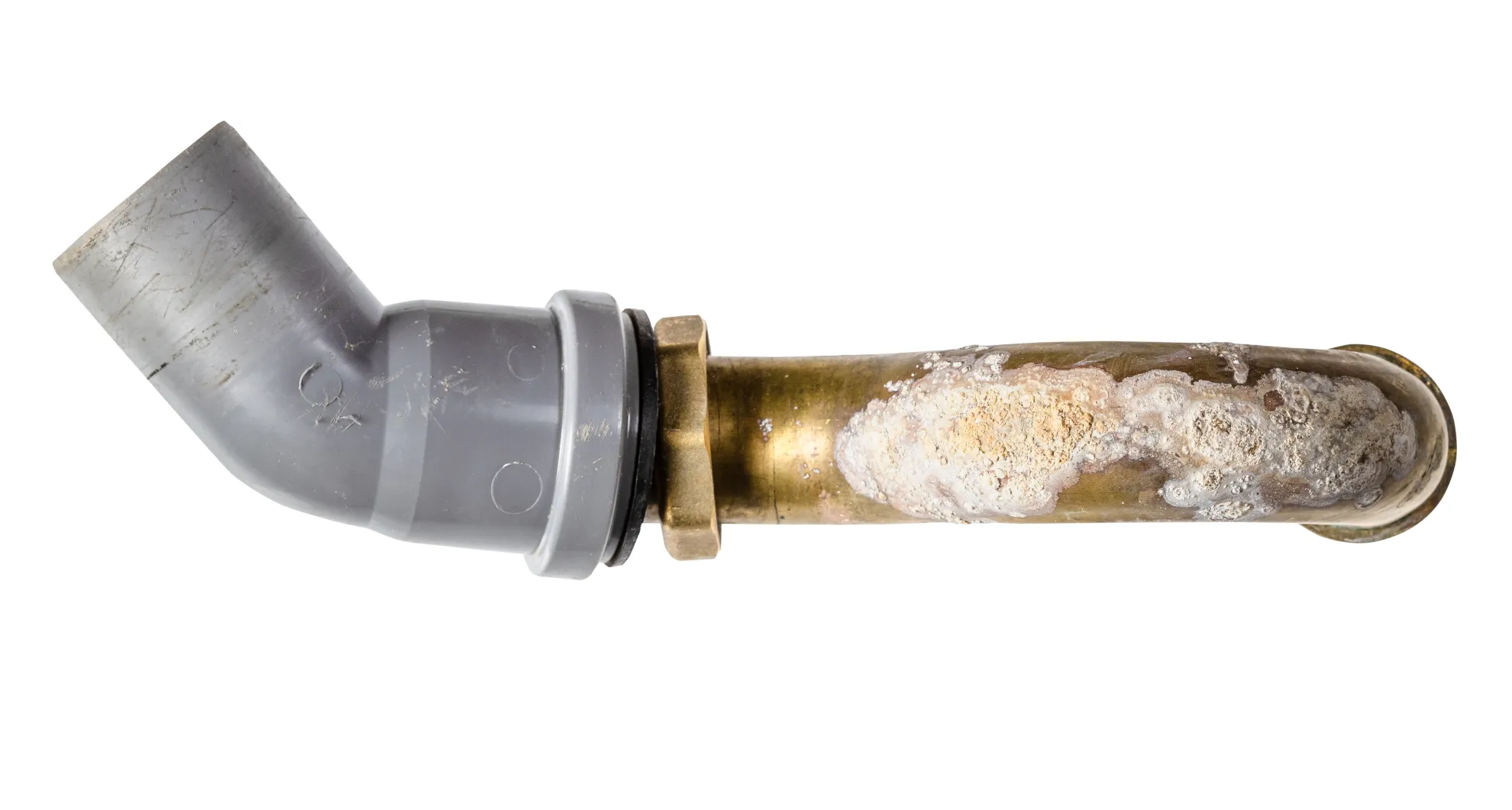
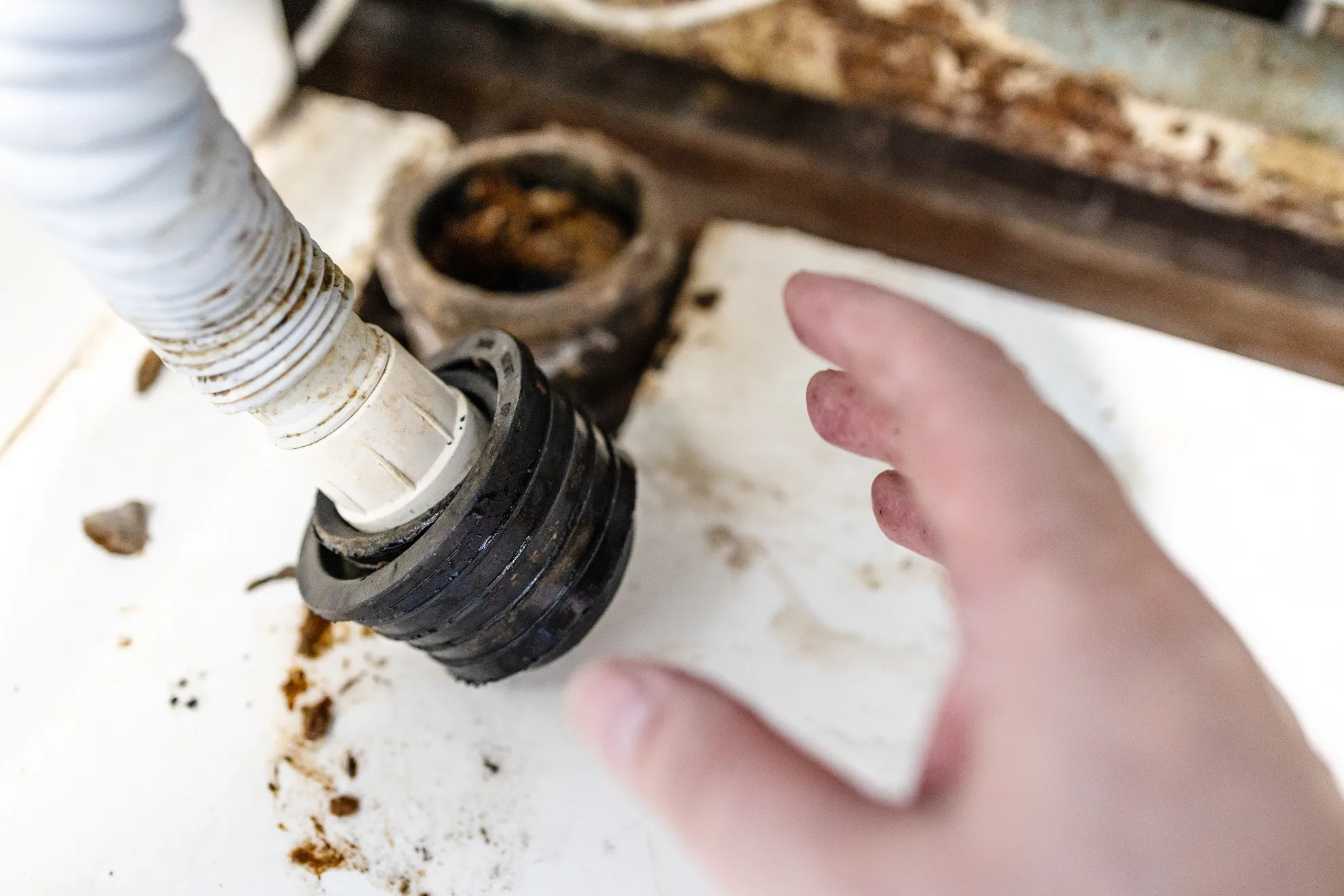
Roots, grease and sludge are not the same problem, but they end up in the same place. All three coat the inside of the pipe until the opening closes. Flow drops long before a full backup happens.
Removal means running a cable machine with the right cutting head for that material. Roots get sheared back at the joint. Grease and sludge get scraped off the wall and flushed on toward the municipal sewer line.
The line backs up every few months no matter how often it gets cleared.
Mature trees stand within twenty feet of where the sewer line runs underground here.
A restaurant kitchen line slows down steadily over weeks instead of failing all suddenly.
Camera footage shows a coated pipe wall instead of clean pipe on the screen.
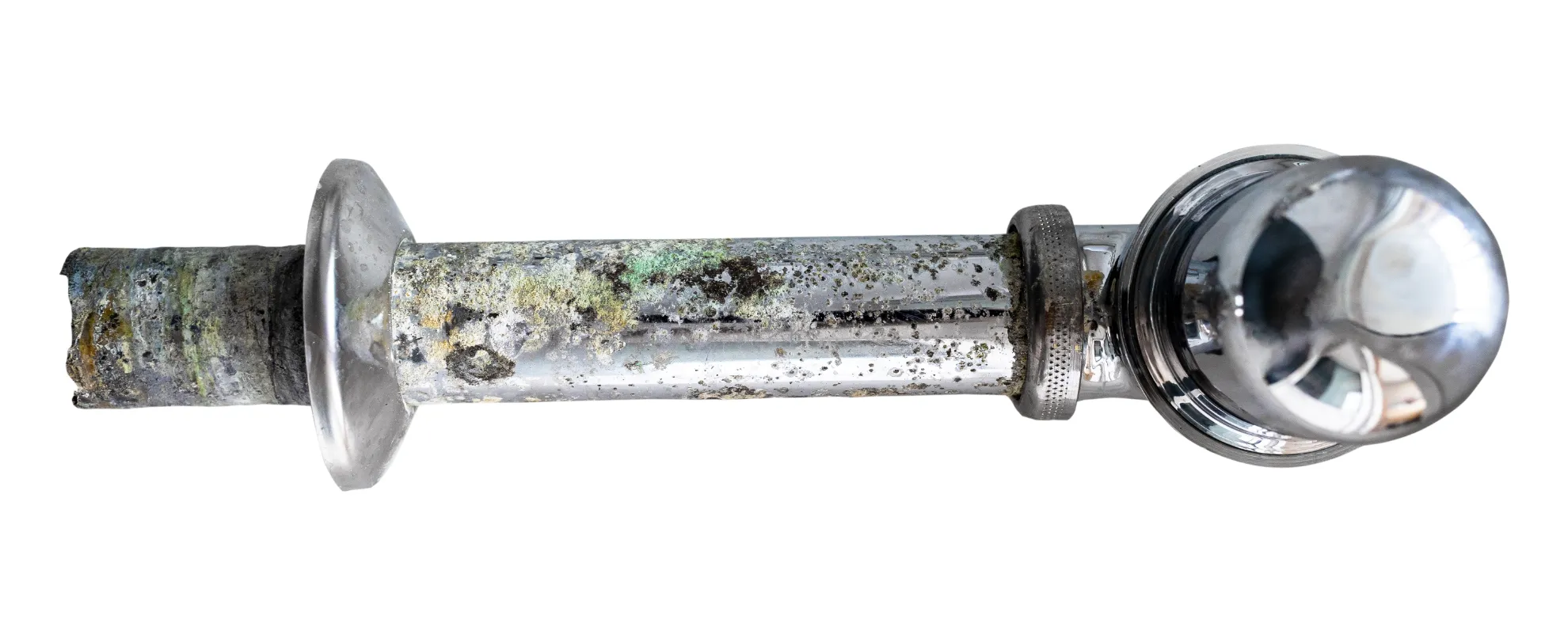
The house has original clay or cast iron pipe that has never been cleaned.
Flow improves after a snaking but never returns to what it once was before.
Call or send the form. The problem, the timing and the price get confirmed before work.
A camera pass first shows what the buildup actually is and where it sits inside there.
The right cutting head runs the line and shears the roots, grease or sludge all loose.
A second camera pass confirms the pipe wall is clear before the crew leaves your property.
Roots and grease are the two most common failures in older Connecticut pipe. This crew works on them every week.
The head gets chosen from what the camera shows. A root cutter and a grease scraper are two different tools.
Estimates are free and the price is confirmed first. Residential and commercial jobs run on exactly the same clear terms.
Single family homes, condos and multifamily buildings with mature trees and older clay laterals. Root intrusion at the joints causes most of the recurring main line backups in Connecticut neighborhoods.
Restaurants, kitchens, offices and managed buildings where grease is the constant problem. Scheduled removal keeps the doors open, because a backup during service hours closes a busy kitchen down fast.
Cutting them out opens the line, but the roots are still in the soil outside the pipe. They grow back toward the same crack over time. That's why lines with mature trees nearby end up on a regular cleaning schedule.
Not usually, no. Store bought root killers work on what they touch, and they don't touch a root mat sitting in flowing water. They also don't remove the grease and sludge layer that builds up on top of it all.
Grease cools and hardens on the pipe wall, like fat in a cold pan. Every single wash down the drain adds another layer. Restaurants build it fastest, but a family kitchen with a disposal does the same thing more slowly.
We run a camera pass first, every single time. A root cutter and a grease scraper are two different heads, and using the wrong one wastes the visit. The footage decides which head actually goes into the line that day.
It depends on how close the trees are and how bad the joints look. Some Connecticut lines go two or three years. Others with heavy root pressure need it once a year. Camera footage from the last visit tells us.
Sometimes it does, yes. If the camera shows a joint that has separated or a section that has collapsed, cutting only buys you time. That is the point where repair becomes the honest answer, instead of yet another cleaning visit.
removes roots, grease and sludge in these Connecticut towns, plus nearby Westchester County, New York. Same crew and same free estimate everywhere.
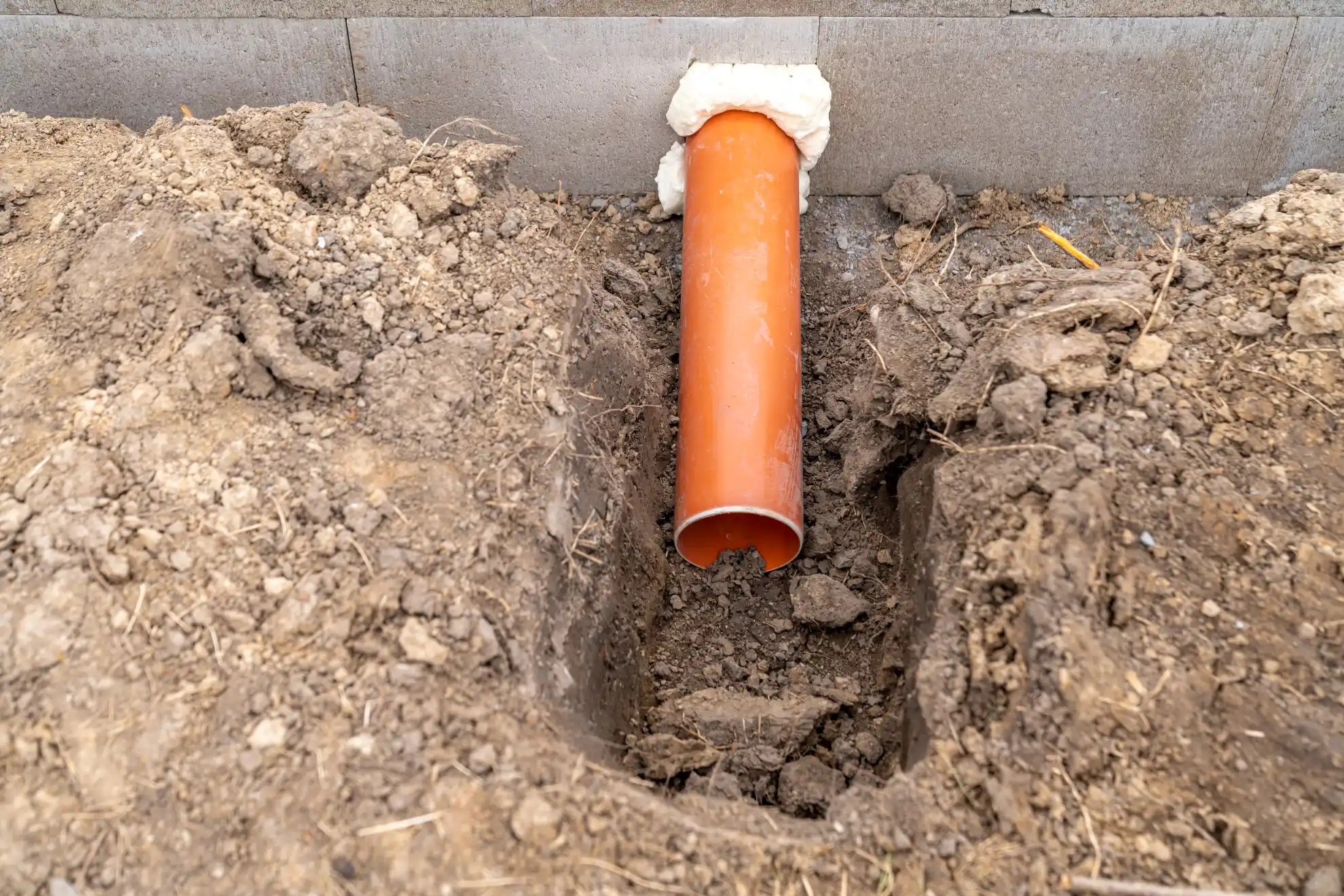
The line that carries waste from the house to the street gets cleared and camera inspected.
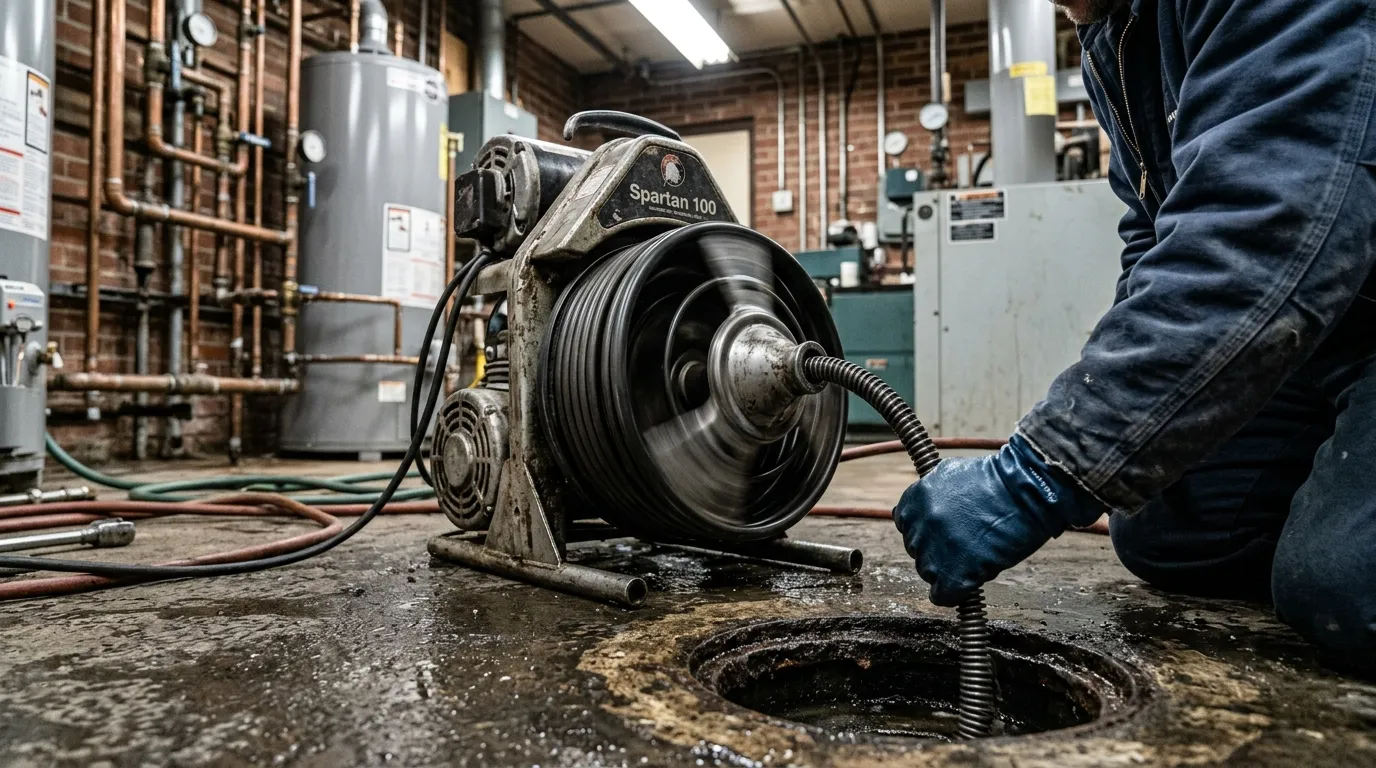
Cable machines cut through hair, soap and food waste in sinks, tubs, toilets and branch lines.
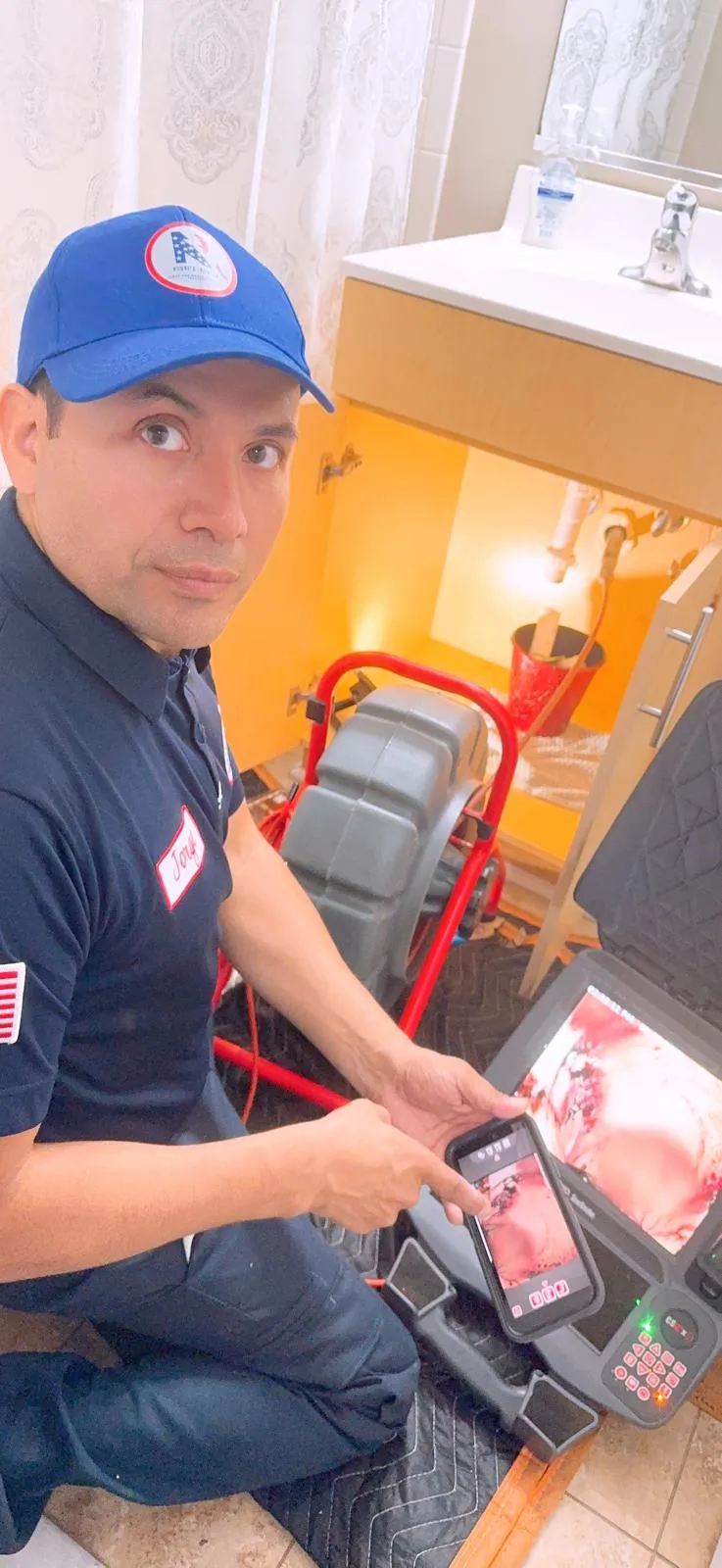
A waterproof camera travels the line and shows cracks, offsets, roots and standing water on screen.
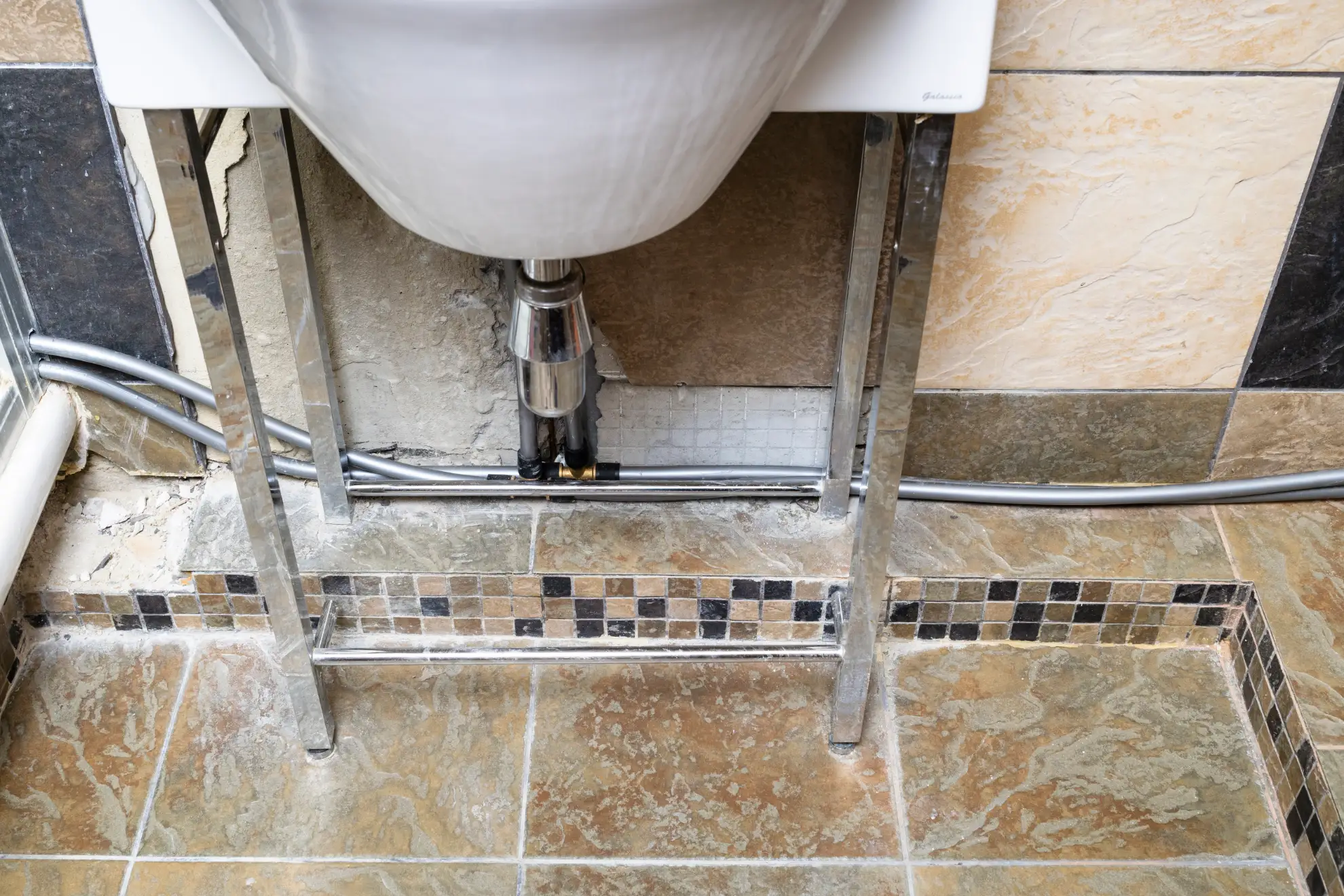
Electronic equipment marks the exact path and depth of a buried line before anybody starts digging.
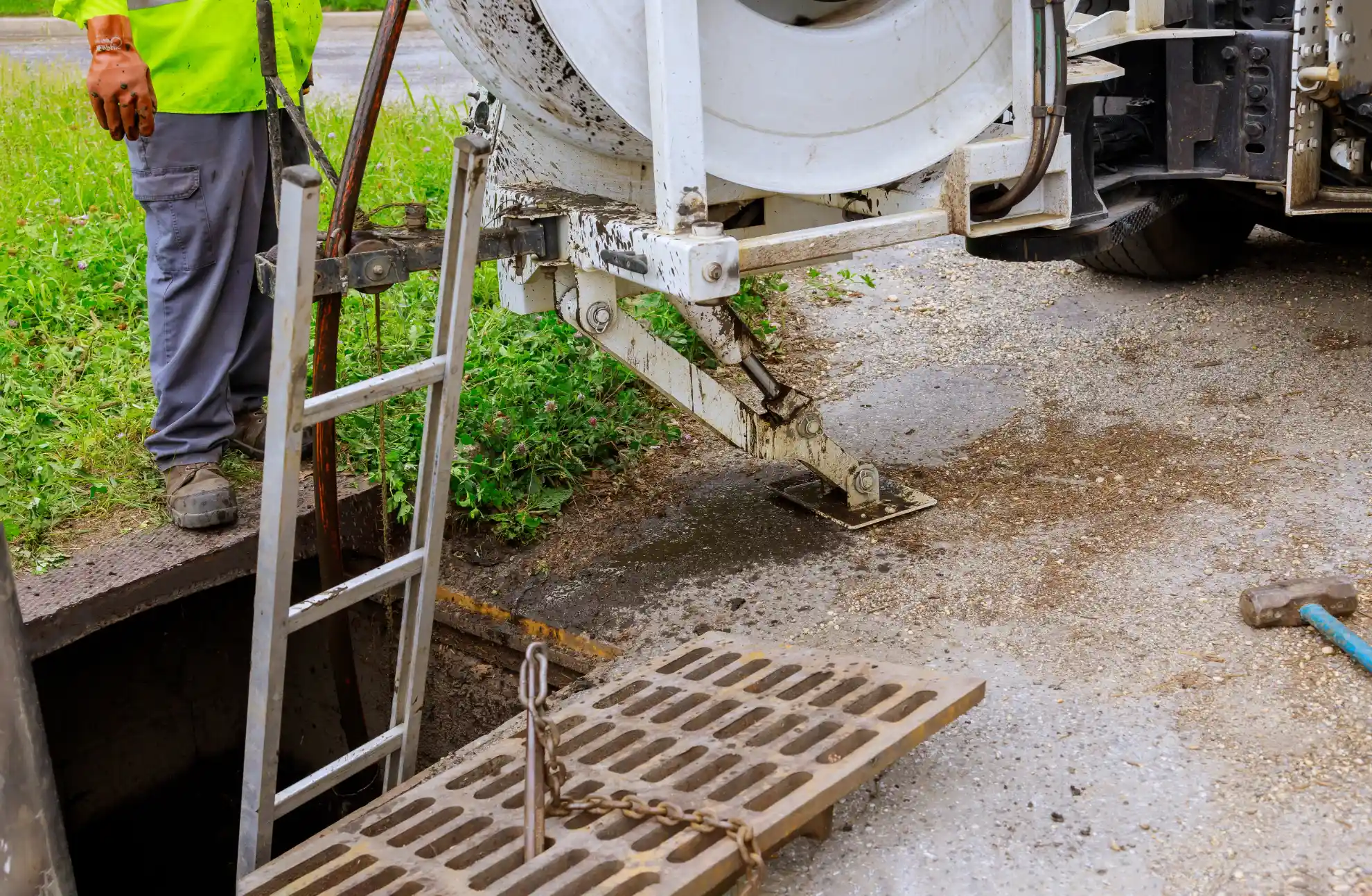
Collapsed sections, offset joints and crushed clay pipe get repaired or replaced based on camera footage.
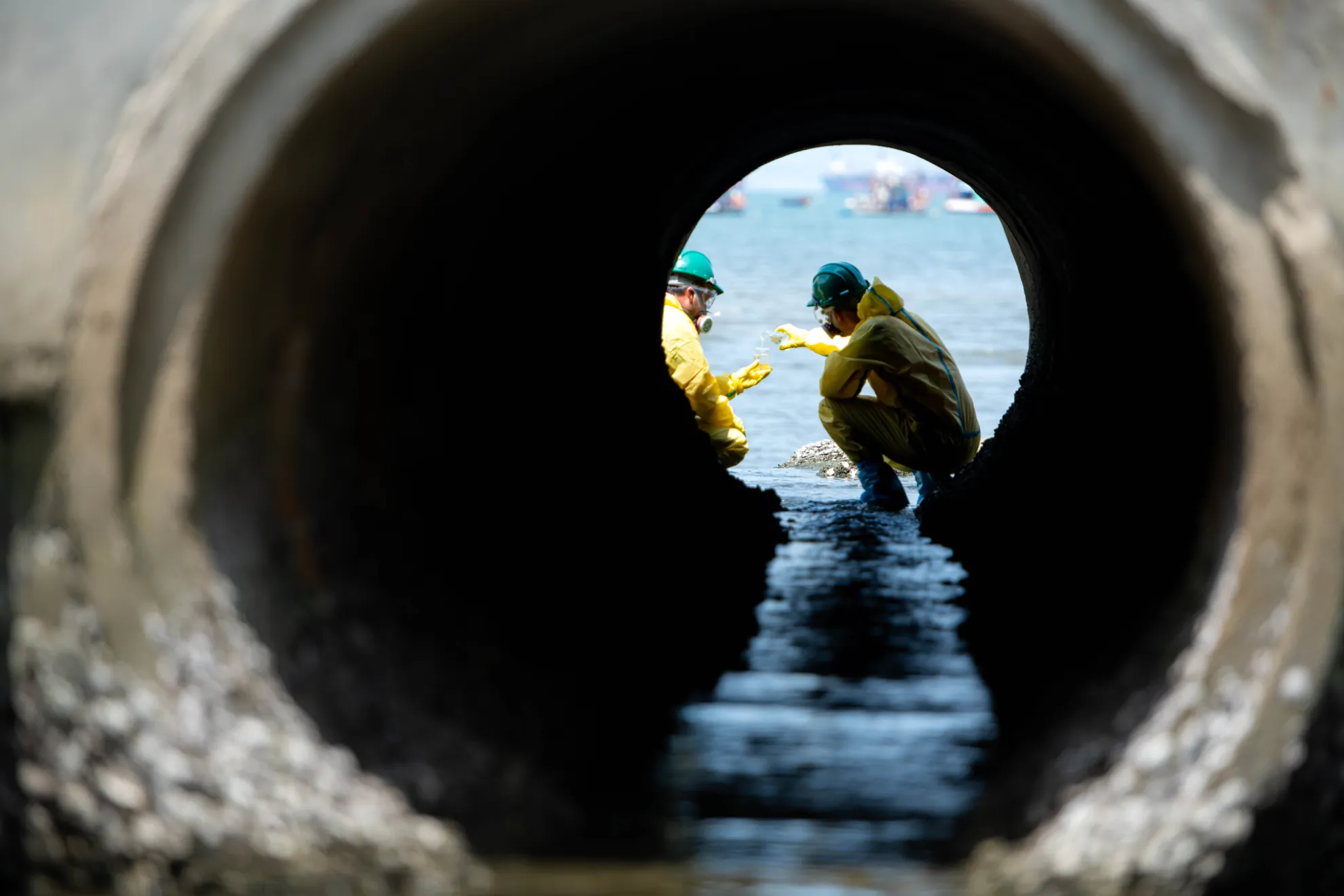
Catch basins, yard drains and storm lines get cleared of leaves, silt and gravel every season.