In this article
If you're under contract on a house built before roughly 1975, the answer is almost certainly yes. Here's the reason: a standard home inspection does not include the sewer lateral. The inspector runs water, checks that fixtures drain, notes anything visible and moves on. Nothing in that report tells you anything about the buried pipe running from the house out to the street, which in an older Connecticut or Westchester home is usually clay, usually original, and usually the single oldest component on the property. It's also one of the most expensive things that can fail. A sewer camera inspection is a small line item during due diligence and a large one after closing, because once you own the house, a failed lateral is entirely your problem and entirely your cost. This is the clearest example there is of a cheap inspection preventing an expensive surprise, and it takes under an hour to do.
What the Home Inspection Doesn't Cover
Home inspectors are thorough about what they can see. Roof, structure, electrical, heating, plumbing fixtures, grading. The sewer lateral is invisible from every one of those vantage points. It's buried three to eight feet down, it runs under the front yard, and its condition has no relationship to how the house looks or how the fixtures behave on inspection day. A line with roots at three joints and a settled section can still drain acceptably during a twenty minute inspection. The problem only announces itself later, usually within the first year of ownership when the new family's water usage exceeds whatever the previous owner had adjusted to living with.
Why Older Housing Stock Makes This Urgent
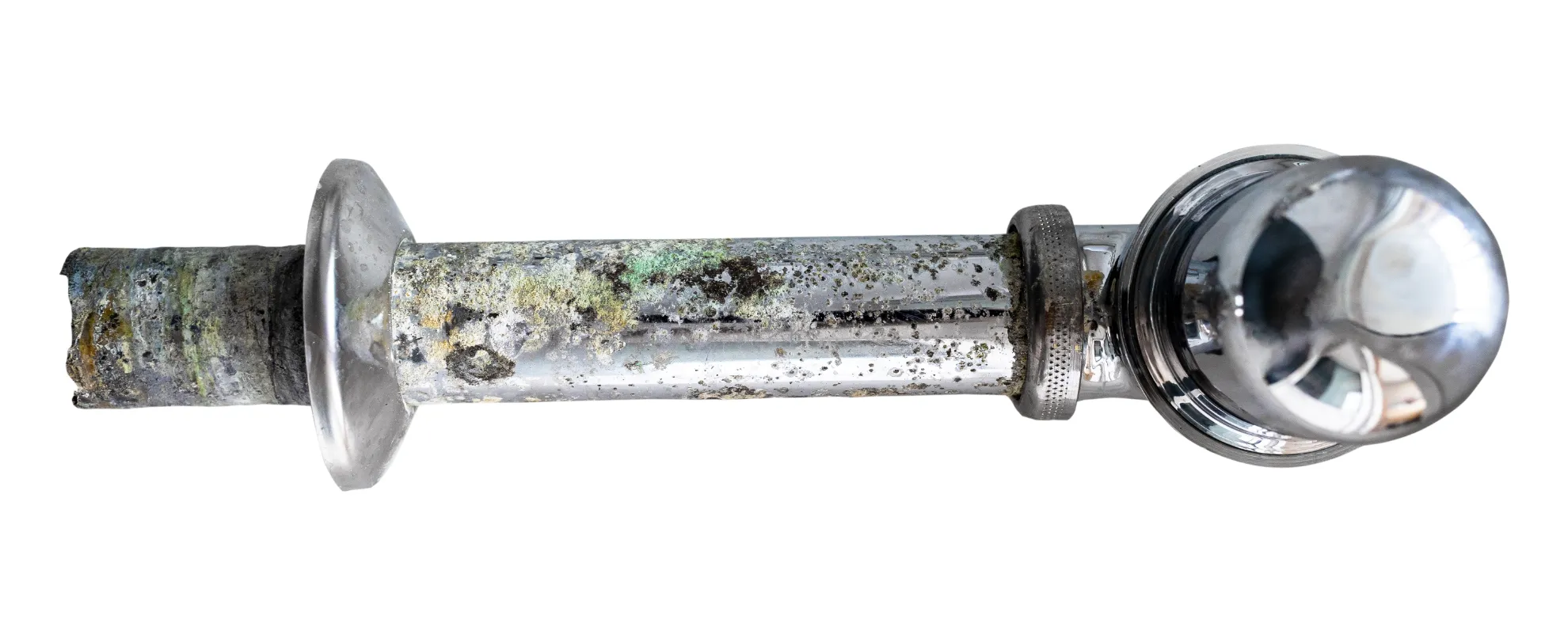
Clay sewer pipe was standard construction here until roughly the 1970s. It has a joint every few feet with no gasket, and after fifty to a hundred years in ground that freezes and thaws every winter, those joints separate. Add the mature trees that make these neighborhoods desirable in the first place, and root intrusion is close to inevitable. Towns like Greenwich, Darien, Scarsdale, New Rochelle and Fairfield are full of beautiful homes with century old laterals underneath them. Cast iron from the same era has a different failure mode, corroding from the inside until the wall is rough and narrow, but the outcome for a buyer is the same.
What the Inspection Actually Shows
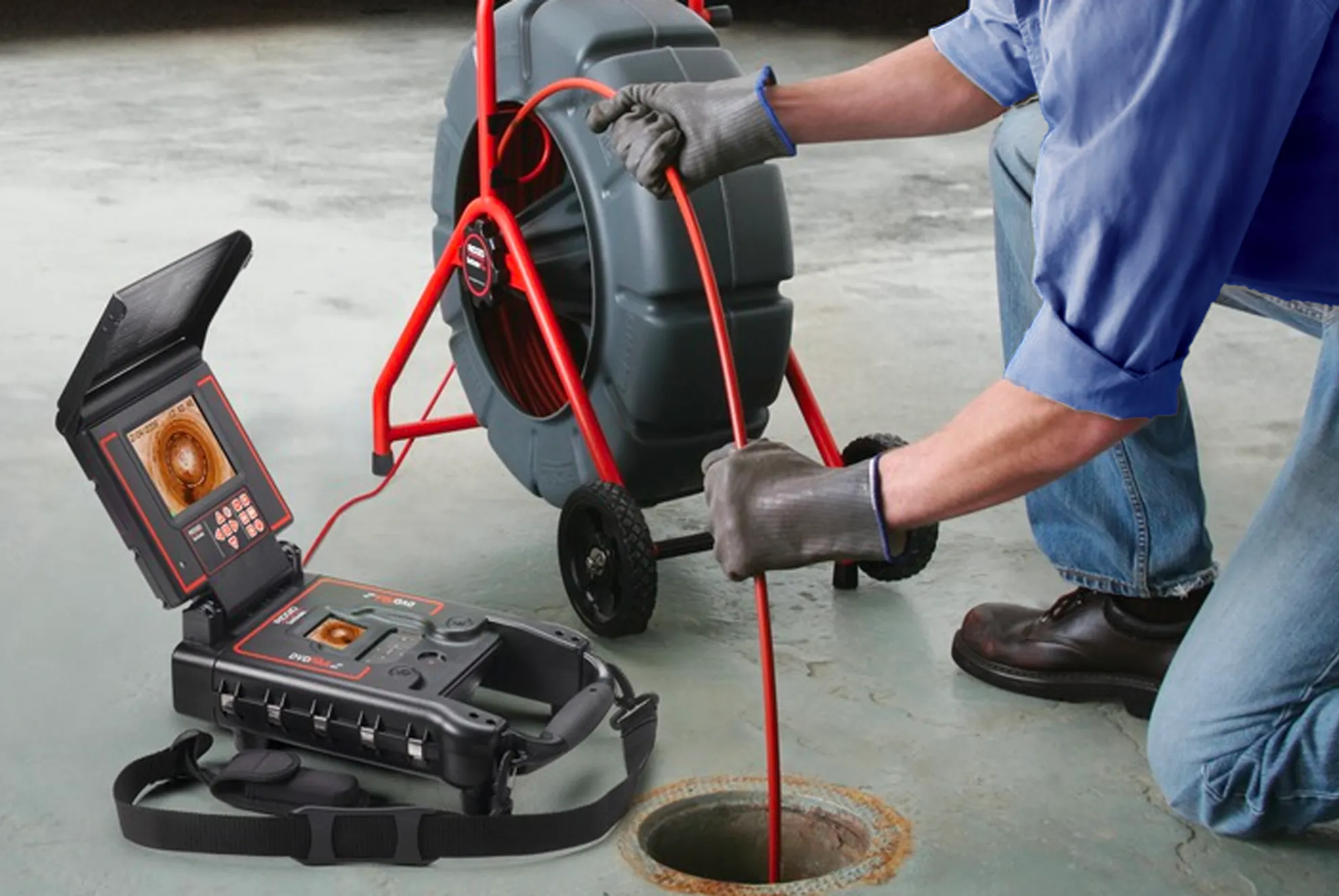
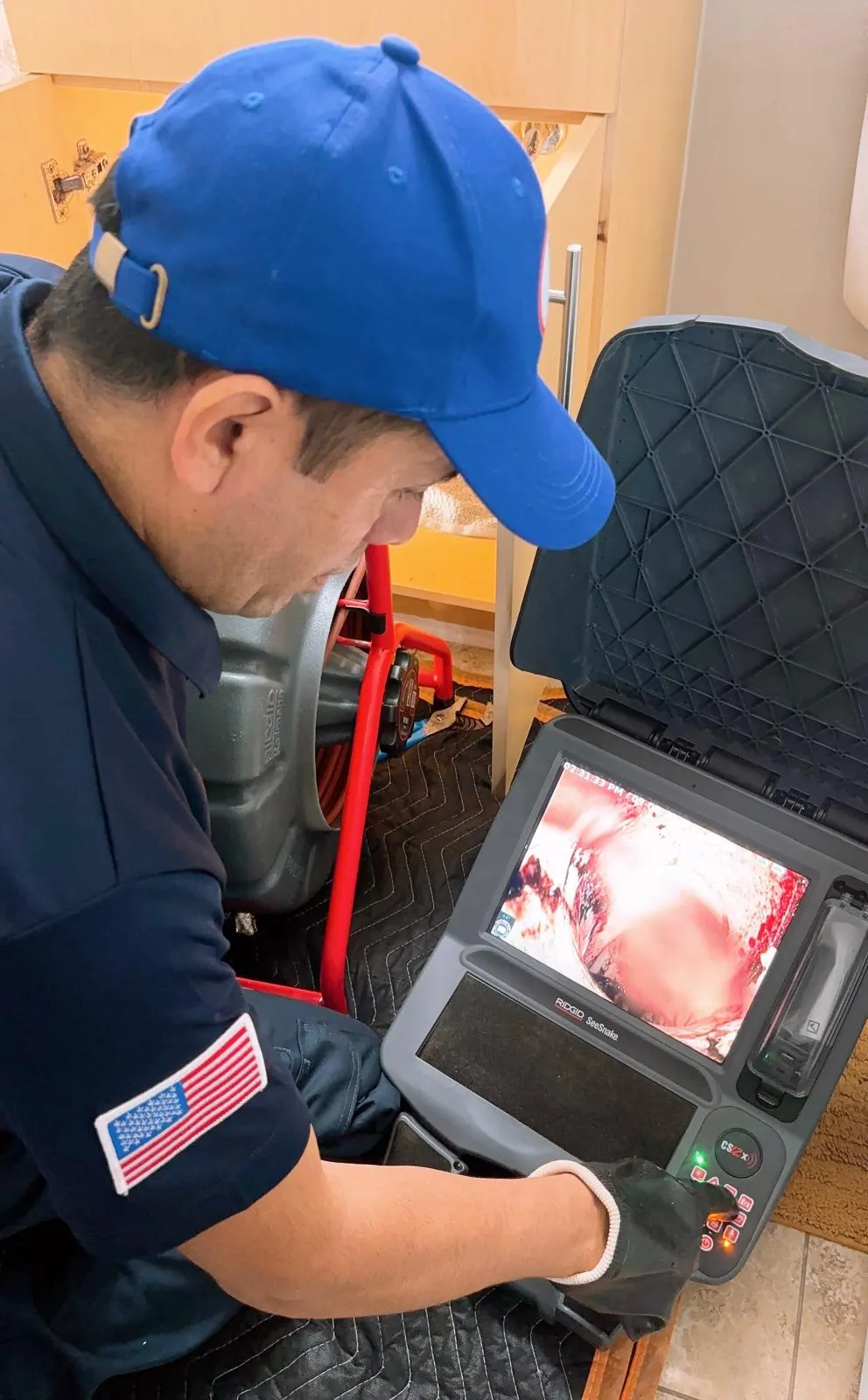
A waterproof camera travels the line from a cleanout to the municipal connection, recording as it goes. It shows cracks, separated joints, bellies holding standing water, root intrusion and collapsed sections. It also identifies the pipe material, which tells you a great deal about how much service life is realistically left. Most inspections take under an hour when there's usable cleanout access. The deliverable that matters is the footage. Ask before booking whether you get a copy you keep, because a recording is what turns a verbal opinion into something concrete you can hand to a seller's agent during negotiation.
How Buyers Use the Footage
If the line is sound, you've bought certainty for a modest price and you close without a cloud over the transaction. If it isn't, you have a documented defect discovered during due diligence, which is a very different position than discovering it in March of your first year. Depending on the market and the contract, that footage becomes a credit, a price adjustment, a seller repair or a reason to walk. What it is not is a surprise. On a septic property the same logic applies to the line running from the house to the tank, which the septic inspection and the home inspection both tend to skip.