In this article
It's an alarming thing to watch. You flush the toilet, and water rises in the tub or the shower a few feet away. Nothing was wrong with the shower. Nothing is wrong with the shower now. What you're seeing is a symptom of a blockage further downstream, in the pipe that both fixtures share on the way out of the house. Water always takes the path of least resistance. When the main line is partly blocked, the water from that flush can't move forward, so it backs up and finds the lowest open drain in the building. In most homes that's the tub, the shower or a basement floor drain. This is not a shower problem, and snaking the shower drain won't fix it. It's one of the clearest signals there is that the main sewer line needs attention, and it usually means the blockage has been building for a while.
Why the Lowest Drain Takes the Backup
Every fixture in a house drains into progressively larger pipe until everything reaches one main line heading out to the street or the tank. When that main line is blocked, water still has to go somewhere. It travels back up the system and comes out at the lowest opening it can find. A toilet holds a lot of water and pushes it fast, which is why flushing is the moment the problem shows itself. The tub sits lower than the toilet bowl, so that's where the water appears. In a house with a basement floor drain, that drain is usually the first thing to overflow, because it sits lower than anything else in the building.
What This Symptom Rules Out
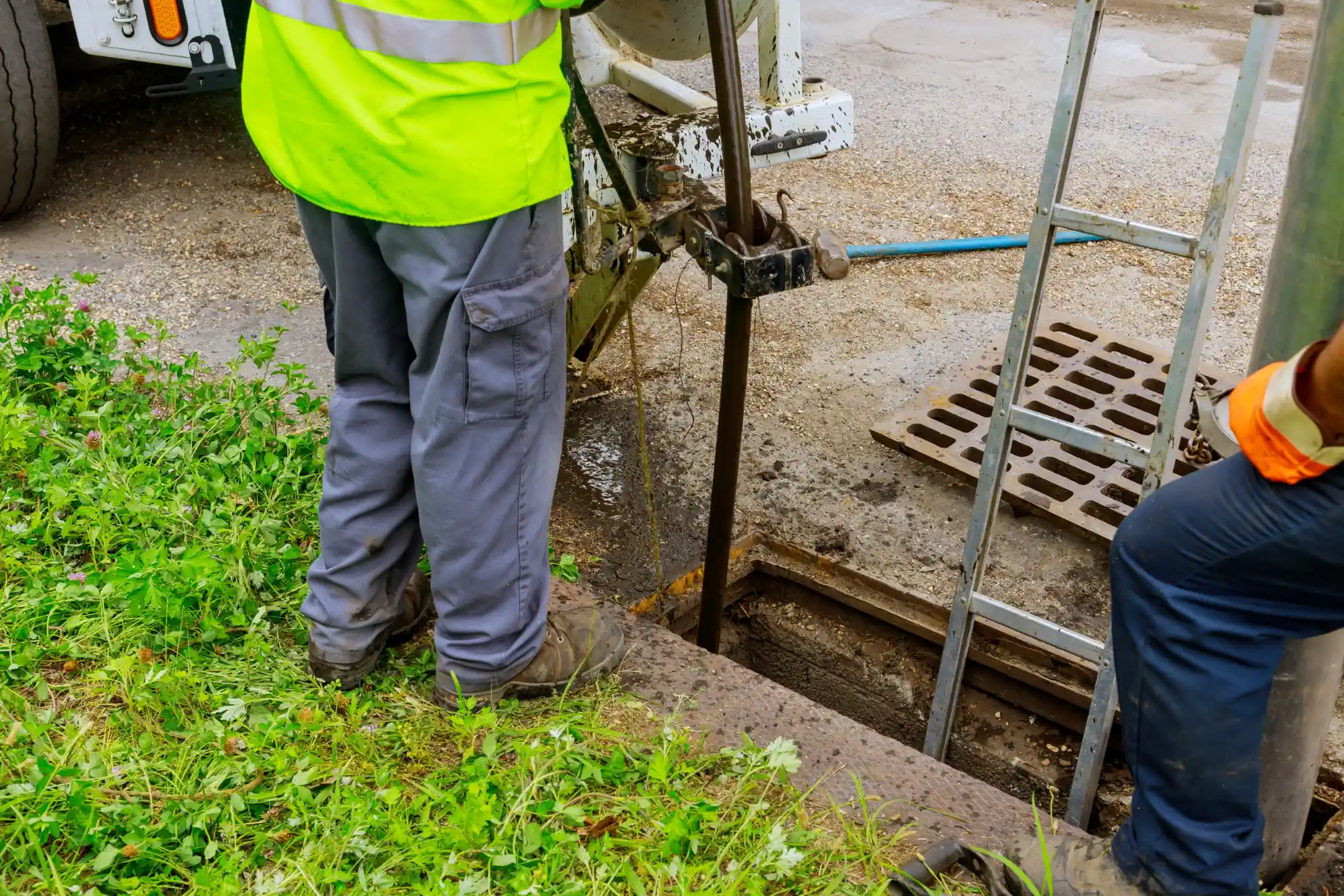
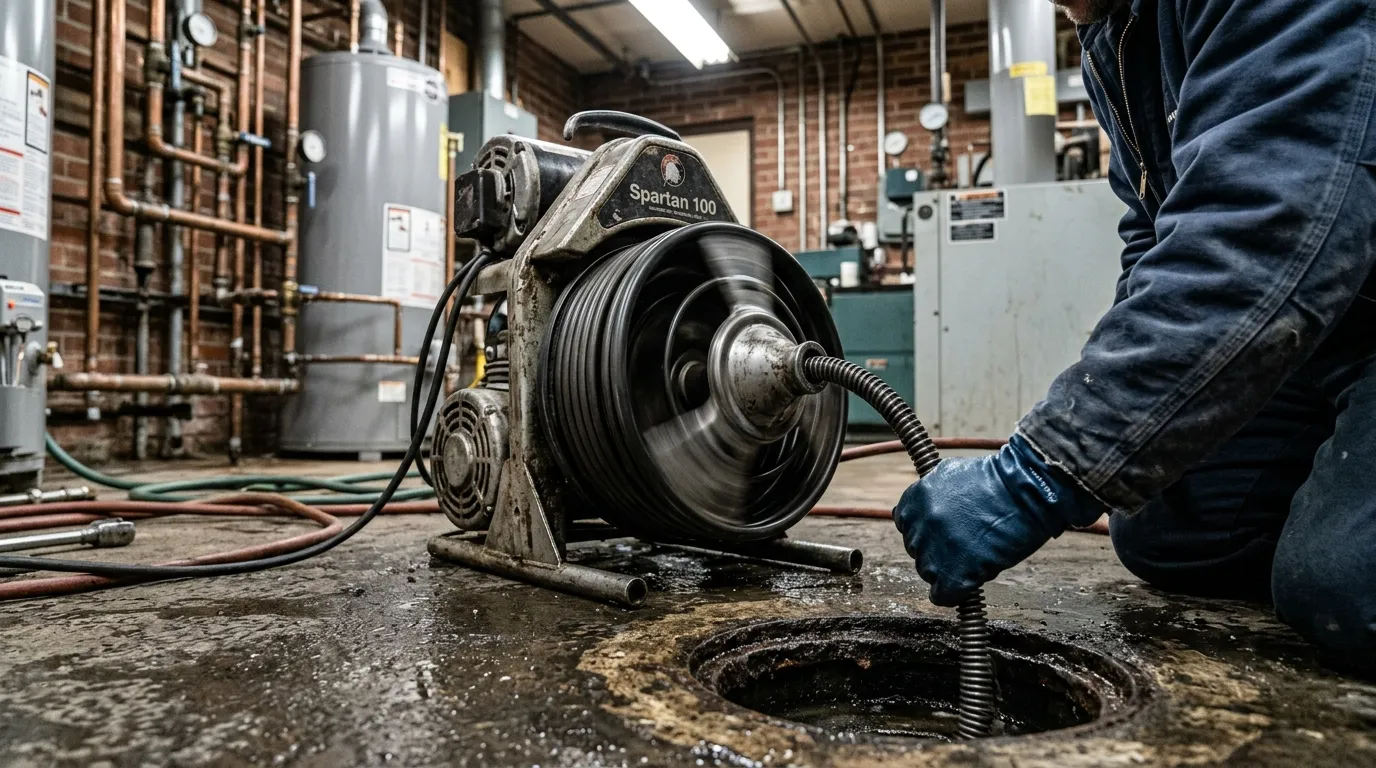
The useful thing about this particular symptom is what it eliminates. A clog in the shower drain itself would slow the shower and nothing else. A clog in the toilet would affect the toilet and nothing else. When flushing one fixture affects a completely different fixture, the blockage has to be downstream of both of them, in pipe they share. That narrows it immediately to the main line or a large branch serving that part of the house. It also means snaking the individual fixture is wasted money. The cable needs to go into the main line, usually through a cleanout, and travel far enough to reach the actual blockage.
What Is Usually Causing It
In Connecticut homes, roots are the leading cause. Clay pipe with open joints under mature trees is the classic combination, and once a root mat forms it catches everything passing through. Grease and sludge coating the pipe wall is the second cause, especially in older homes with cast iron. A third possibility is that the line has settled somewhere and holds standing water, which slows flow enough that any additional load backs things up. A fourth, less common but more serious, is a collapsed section. That one doesn't clear with a cable at all, and a camera is the only way to know which of the four you're dealing with.
What to Do Before Anyone Arrives
Stop using water in the house. Every flush, every load of laundry and every shower adds volume to a system that already can't move what it has. Running the washing machine at this point is how a slow backup becomes water on the floor. Don't pour chemical drain cleaner down the line either. It won't reach a main line blockage, and if the line does have to be opened, somebody is going to be working in standing water full of it. If sewage has already come up through a floor drain, keep people away from it and treat it as a health issue rather than a cleanup.