In this article
If your main sewer line keeps backing up every few months, the problem isn't bad luck. A line that clogs, gets cleared, and clogs again on a predictable schedule is telling you something specific: whatever caused the first backup is still down there. Cleaning removed the blockage. It didn't remove the reason. In older Connecticut homes this pattern is extremely common, and the cause is usually one of four things. Tree roots that entered through a joint in clay pipe. Grease and sludge coating the pipe wall until the opening narrows. A section that has settled and now holds standing water. Or a joint that has separated far enough that soil is getting in. Each one looks different on a camera, and each one leads somewhere different. Knowing which one you actually have is the difference between paying for a cleaning twice a year forever and fixing the real problem once.
Roots Are the Most Common Cause in Connecticut
Clay sewer pipe was standard here until the 1970s, and clay has a joint every few feet with no gasket sealing it. As the ground shifts through decades of freeze and thaw, those joints open slightly. That's all a root needs. Roots follow moisture, and a joint releasing even a little vapor into the soil is a direct invitation. Once inside, a root spreads into a mat that catches paper, grease and everything else moving through the line. Cutting that mat out restores flow immediately. But the tree is still standing, the root system is still in the soil, and it grows back toward the same joint. That's why a line under mature trees will keep backing up unless somebody either cuts on a schedule or repairs the joint.
Grease and Sludge Build Up From the Inside
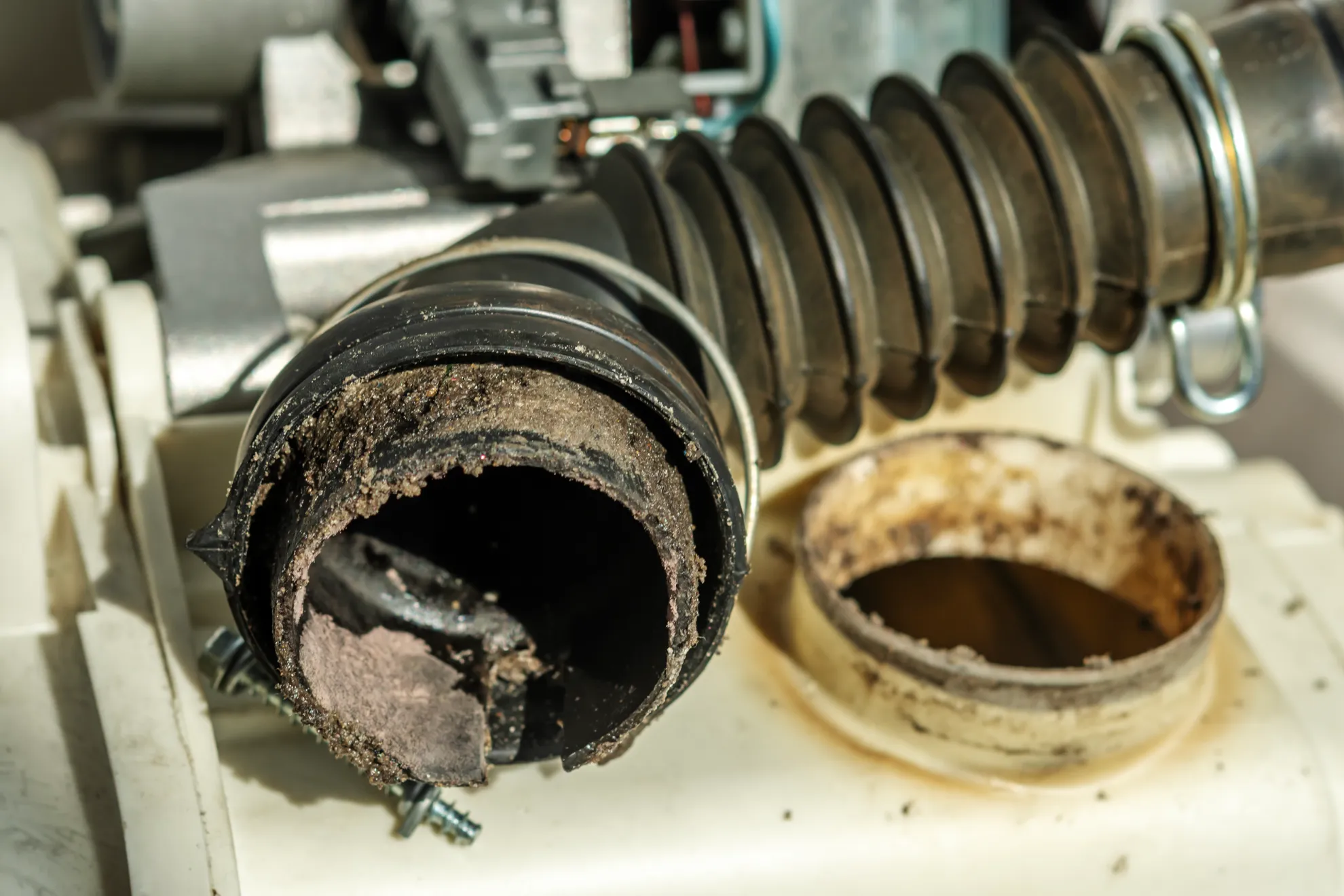
The second common cause has nothing to do with trees. Kitchen grease cools inside the pipe and hardens on the wall the same way fat sets in a cold pan. Every wash adds another layer. Over years that coating narrows the effective diameter of the line, and once it's narrow enough, any normal amount of debris closes it off. Restaurants build this coating in months. A family home takes years, but a house with a garbage disposal and heavy cooking gets there. Sludge and sediment settle on top of it in the low spots. Snaking punches an opening through the buildup and flow returns, but the coating is still on the wall. That's why the same drain closes again.
A Settled Section Holds Water Permanently
This one gets misdiagnosed constantly. When soil under a buried pipe shifts, a section can sag into a low spot. The pipe hasn't broken, but it no longer runs downhill the whole way. Water pools in that dip and stays there, and anything heavy passing over it drops out and stays too. To a homeowner this feels exactly like a clog. You clean the line, flow improves for a few weeks, and then the same slow drain comes back. The material is different but the pattern is identical to roots. Cleaning removes what settled in the low spot, but it can't change the slope of the pipe. Only a camera shows the difference, and only a repair actually fixes it.
How to Tell Which One You Have
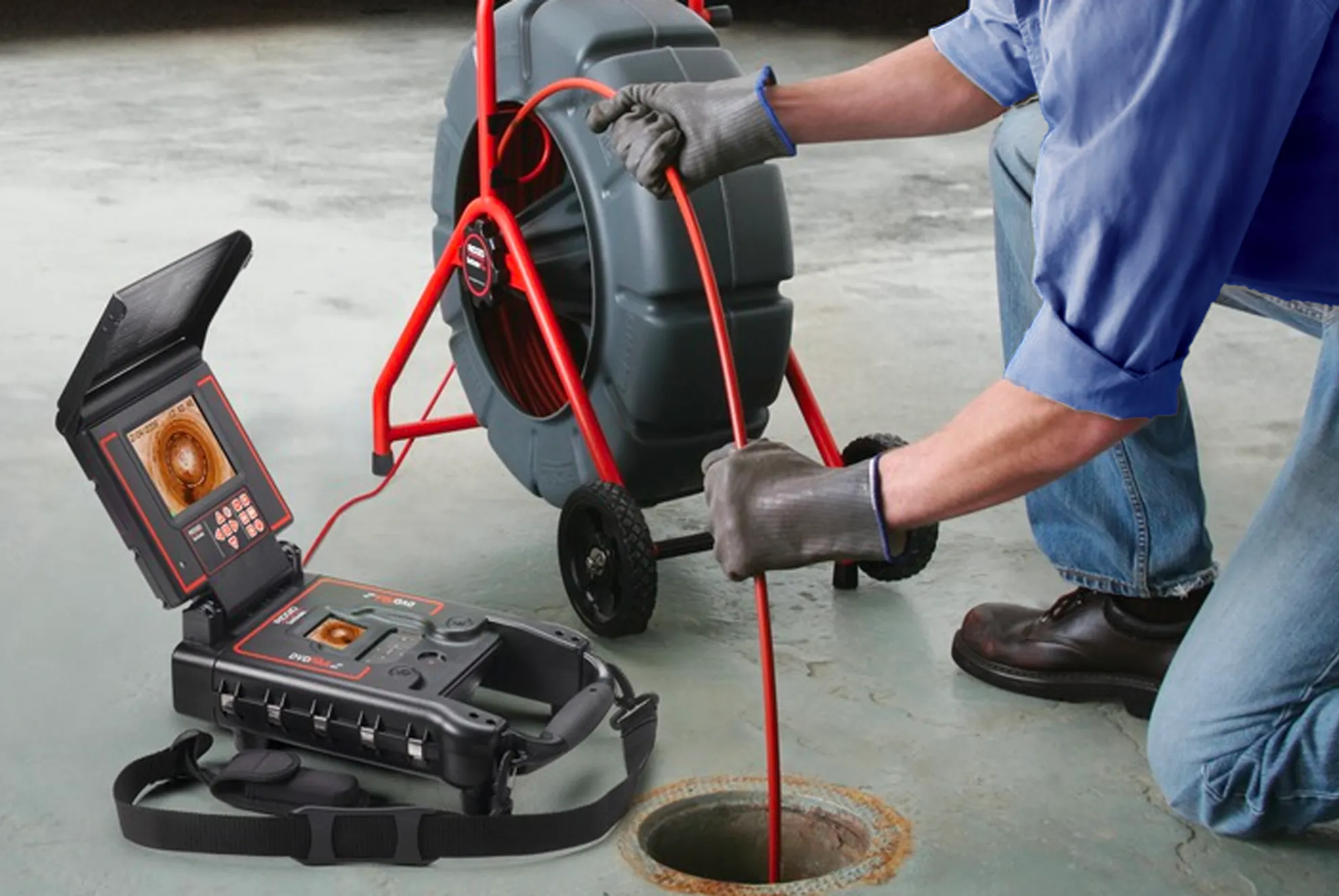
You can't tell from the surface, and neither can a contractor who hasn't looked. A camera pass answers it in under an hour. Roots show as a mass at a specific joint. Grease shows as a coating narrowing the whole run. A settled section shows as standing water sitting in the pipe with nothing blocking it. A separated joint or a collapse shows as a break in the line itself. That footage decides everything that comes after. If the pipe is sound and just dirty, cleaning is the right answer and it's the cheaper one. If a section has failed structurally, cleaning is money spent to delay a repair you're going to do anyway.